
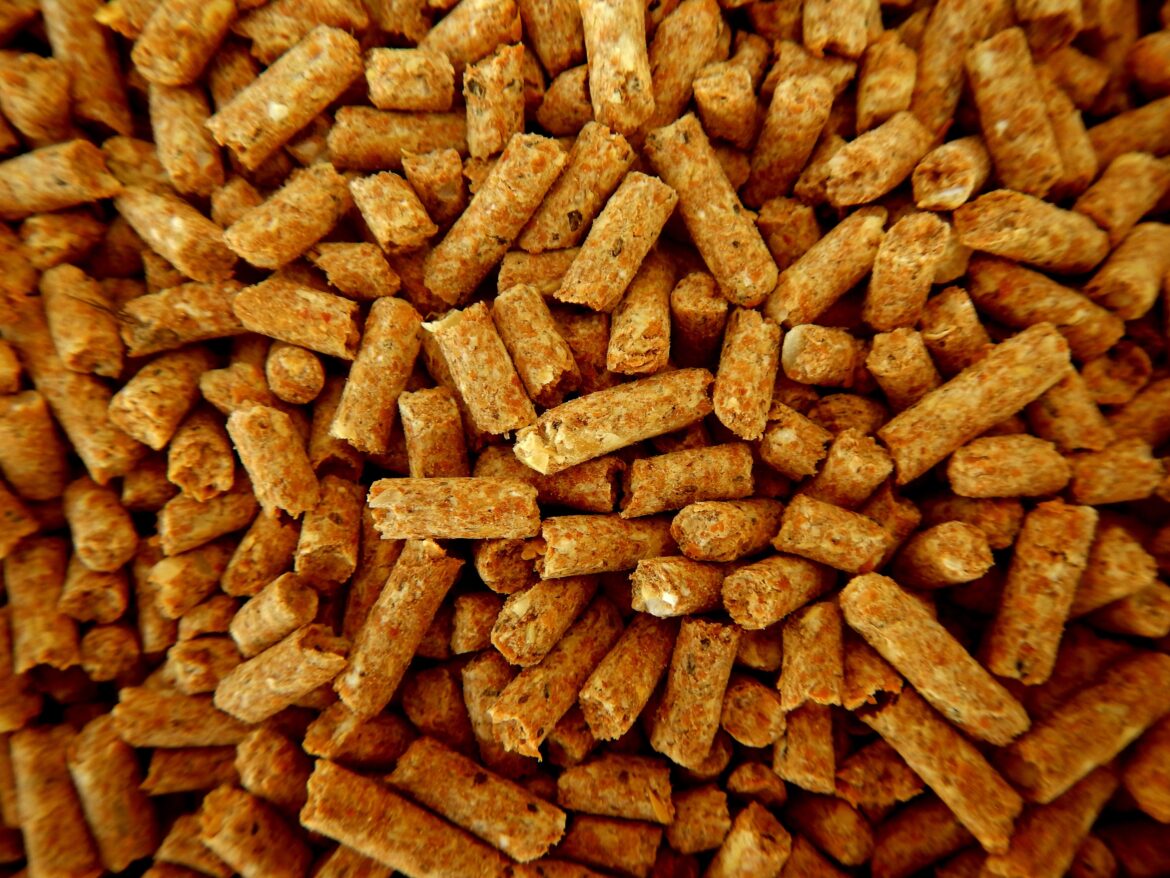
Turkey’s poultry egg industry stands as a cornerstone of the nation’s protein supply, with tremendous growth and resilience over recent decades. However, securing sustainable production hinges on the intricate dynamics between feed supply, feed price, flock size, and egg yield. Here’s an in-depth look at these interwoven parameters, the findings of the latest 2025 analysis, and the opportunities for further advancement.
Key Parameters Analyzed
1. Layer Feed Production (tons)
- Definition: Compound feed manufactured specifically for laying hens.
- Role: Directly linked to both flock size and total eggs produced through nutritional input and operational scale.
2. Layer Feed Price (dollar)
- Definition: The average cost of feed per ton, in US dollars.
- Impact: A determining (but negatively correlated) factor for flock size and output, with rising costs exerting downward pressure.
3. Number of Laying Animals (units)
- Definition: The total count of hens actively producing eggs in a given year.
- Relation: Strongly predicts total egg output, as larger, well-fed flocks yield more eggs.
4. Amount of Eggs Produced (thousand eggs)
- Definition: Sum of all eggs laid across the national flock, annually (in thousands).
- Significance: Reflects overall productivity, market supply, and feed-to-output efficiency.
Statistical Approaches
The analysis utilized quadratic regression models and Pearson correlation analysis to map relationships among parameters. Each model was statistically significant (p < 0.05), underscoring the validity of reported associations.
| Analyzed Relationship | Model R² | Relationship Direction | Interpretation |
|---|---|---|---|
| Feed production → Egg production | 0.881 | Positive | More feed boosts egg output until industry constraints emerge |
| Feed production → Number of laying hens | 0.921 | Positive | Feed supply expansion supports flock growth |
| Number of laying hens → Egg production | 0.921 | Positive | Larger flocks reliably produce more eggs |
- Pearson correlations validate:
- Eggs produced & Laying hen number: 0.966 (highest)
- Feed & Hen number: 0.947; Feed & Eggs: 0.929
- Feed price’s correlation with all outputs is comparatively lower and negative, confirming its cost-sensitive drag on industry output.
Key Findings
- Turkey’s egg industry is highly responsive to feed availability and flock size.
- Expansions in feed production directly translate into more hens and higher egg output, up to practical/economic/epizootic limits.
- When feed production approaches 2.5 million tons, a plateau appears, partially attributed to challenges like economic downturns and avian influenza outbreaks impacting sector growth.
- Feed price is a critical limiting factor.
- High feed prices discourage increases in both flock size and total egg production.
- However, egg price fluctuations have not shown statistically significant effects on production, suggesting producer focus remains on managing feed costs.
- Feed costs dominate production expenditures (accounting for 68%), underlining feed’s centrality in strategic planning for sector growth.
- Eggs remain an affordable and highly preferred protein source, with per capita consumption expected to rise as the population grows.
Future Directions and Recommendations
As Turkey’s population and export ambitions grow, future research and strategic interventions should consider:
- Feed Cost Optimization:
Continued focus on sourcing alternative local feed ingredients (to reduce import dependency) and adopting advanced feed formulations to lower costs sustainably. - Genetic and Management Advances:
Invest in hen genetics, housing, and health management systems to further raise productivity per bird, even when feed price pressures exist. - Expanding Domestic Consumption:
Campaigns to increase public awareness and dietary integration of eggs—raising Turkey’s per capita egg consumption to match or exceed developed nations. - Crisis-Resilient Systems:
Develop adaptive responses to address epidemics (like avian flu) and economic upheavals, ensuring continuous supply and stable industry performance. - Sustainability and Circularity:
Integrating circular economy practices, including valorizing by-products and enhancing resource utilization throughout the feed-to-egg cycle.
Perfect Conclusion
Turkey’s egg poultry sector is an exemplary model of rapid modernization and capacity expansion, driven by critical interplays between feed, pricing, and flock management. Maintaining growth and sustainability amid global volatility will require innovation in feed resource management, enhanced genetic and operational efficiencies, and expansion of domestic consumption. Investments in these areas will ensure that affordable, high-quality eggs continue to nourish the nation—and fuel further export gains—in the decades ahead.
Reference: Mert, Selim. “Egg Poultry in Turkey and Egg-Feed Relationship.” Journal of Animal Production 66.1 (2025): 65-72.