
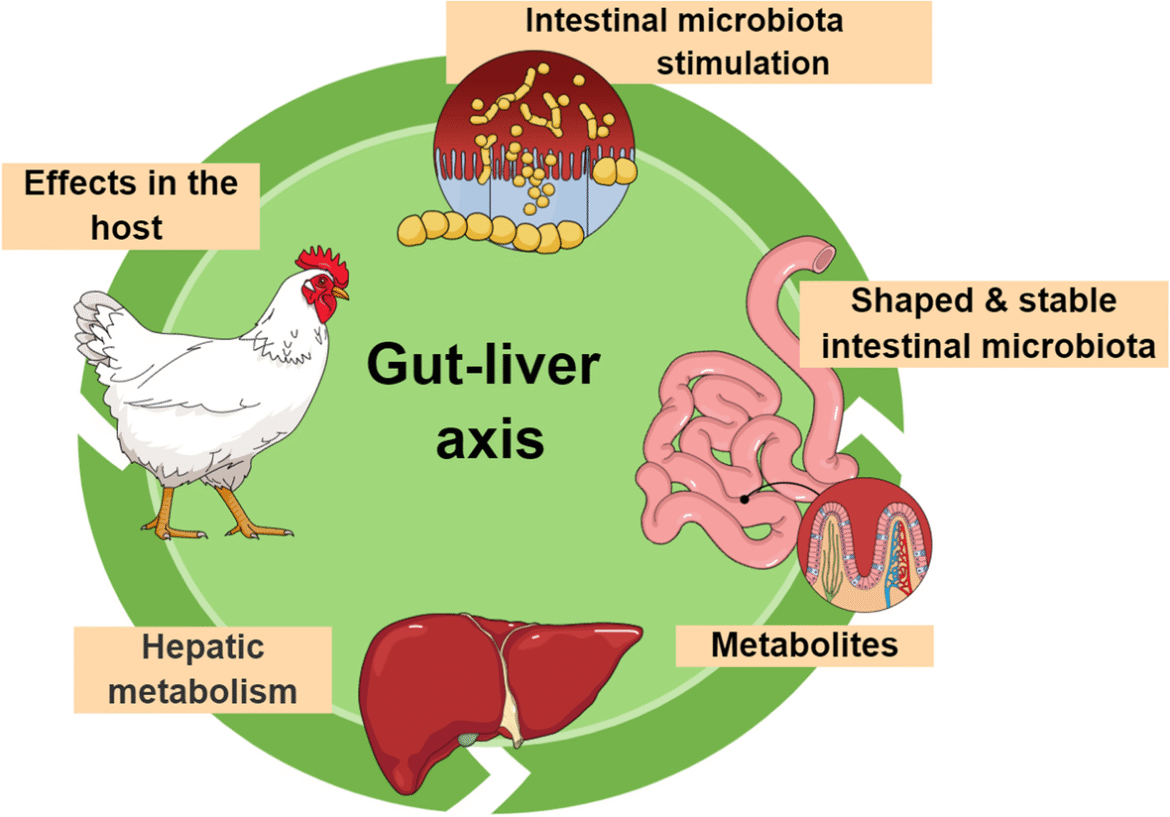
Bile salts play a critical role in digestion—especially in the emulsification and absorption of dietary fats. Produced in the liver and stored in the gallbladder, bile salts are released into the small intestine in response to fat consumption. Since different meats vary in fat content, composition, and metabolic impact, understanding how fish, chicken, beef, and pork interact with bile salts provides valuable insight into digestive health, cholesterol metabolism, and disease prevention.
This article presents a comprehensive analysis of how each of these meats affects bile salt production, utilization, recycling (enterohepatic circulation), and broader implications for gastrointestinal and metabolic health.
1. Bile Salts: A Primer
1.1 What Are Bile Salts?
Bile salts are amphipathic molecules derived from cholesterol. They are synthesized in the liver, stored in the gallbladder, and secreted into the small intestine. Their primary role is:
-
Fat emulsification: Breaking large fat droplets into smaller micelles.
-
Facilitating absorption: Helping in the absorption of fatty acids, cholesterol, and fat-soluble vitamins (A, D, E, K).
-
Antimicrobial defense: Bile salts prevent bacterial overgrowth in the small intestine.
1.2 Types of Bile Acids and Salts
-
Primary bile acids: Cholic acid and chenodeoxycholic acid (synthesized in the liver).
-
Secondary bile acids: Deoxycholic and lithocholic acids (formed in the gut by bacterial action).
-
Conjugation: Bile acids are conjugated with glycine or taurine to form bile salts.
https://www.animalsite.net/chicken-eggs-which-comes-first-the-expected-results-or-the-science/
2. Dietary Fat and Bile Salt Secretion
The amount and type of fat consumed directly influence bile production and release. Higher-fat meals stimulate the gallbladder to release more bile. However, different types of fat—saturated, monounsaturated, and polyunsaturated—can have distinct effects on bile acid composition and enterohepatic cycling.
Now, let’s explore how this dynamic plays out in meats.
3. Fish and Bile Salts
3.1 Fat Profile of Fish
Fish—especially fatty fish like salmon, mackerel, and sardines—contain a high percentage of omega-3 polyunsaturated fatty acids (PUFAs), including EPA and DHA. Lean fish like cod have significantly lower fat content.
3.2 Fish Fat and Bile Stimulation
-
Omega-3 fatty acids in fish stimulate bile flow but are less cholestatic (less likely to increase bile saturation with cholesterol).
-
Fish oils promote hydrophilic bile acid synthesis, favoring chenodeoxycholic acid, which is less toxic to hepatocytes than hydrophobic bile acids.
-
Fish consumption is associated with improved bile acid metabolism and reduced gallstone risk.
3.3 Clinical Implications
-
Gallbladder Health: Fish fats promote the synthesis of less lithogenic (stone-forming) bile.
-
Anti-inflammatory Effects: Omega-3s can reduce intestinal inflammation and normalize bile acid signaling through FXR (farnesoid X receptor).
-
Cholesterol Metabolism: Fish intake supports cholesterol elimination via bile acid synthesis.
4. Chicken and Bile Salts
4.1 Fat Content in Chicken
Chicken, particularly skinless breast, is low in fat. However, dark meat and skin contain more fat, with a mix of saturated and unsaturated fatty acids.
4.2 Effects on Bile Acid Secretion
-
Lean chicken induces modest bile secretion, reflecting its relatively low-fat content.
-
Chicken fat, which contains moderate saturated and monounsaturated fats, does not significantly increase bile cholesterol saturation.
-
Taurine in chicken contributes to bile salt conjugation, improving fat emulsification efficiency.
4.3 Gut Microbiota and Bile Transformation
-
Chicken-based diets have been shown in rodent studies to produce lower secondary bile acids compared to red meat diets.
-
This may translate into lower risks of colorectal inflammation and cancer.
4.4 Summary
-
Digestive Ease: Chicken requires less bile output and may be suitable for individuals with gallbladder issues.
-
Low Lithogenic Potential: It’s less likely to contribute to gallstone formation.
-
Supportive of Healthy Bile Recycling: Especially when consumed as lean meat.
5. Beef and Bile Salts
5.1 Fat Profile of Beef
Beef is rich in saturated fats (palmitic, stearic) and cholesterol. Its fat content depends on the cut and feeding practices (grass-fed vs. grain-fed).
5.2 High Saturated Fat and Bile Acid Changes
-
Saturated fats stimulate strong bile secretion but also increase bile cholesterol saturation, making bile more lithogenic.
-
Diets high in beef can increase production of hydrophobic secondary bile acids, such as deoxycholic acid, which are cytotoxic and promote mucosal injury.
5.3 Impact on Gut and Liver Health
-
Increased Secondary Bile Acids: Linked with increased risk of colorectal cancer, liver inflammation, and dysbiosis.
-
Altered FXR Signaling: High saturated fat intake can desensitize bile acid receptors (e.g., FXR and TGR5), affecting glucose and lipid metabolism.
-
Gallstone Risk: High beef intake may raise the likelihood of gallstones due to excess cholesterol excretion into bile.
5.4 Summary
-
High Bile Demand: Beef requires more bile salts for digestion due to higher fat content.
-
Promotes Toxic Bile Acid Production: Especially when overconsumed.
-
Cholesterol-Linked Concerns: Can disrupt bile homeostasis and increase gallstone risk.
6. Pork and Bile Salts
6.1 Fatty Acid Composition of Pork
Pork fat is intermediate—containing both saturated and unsaturated fats, depending on the cut and animal feed. It’s often higher in monounsaturated fat (oleic acid) compared to beef.
6.2 Pork Fat and Bile Acid Dynamics
-
Pork fat stimulates bile secretion, though less aggressively than beef.
-
Consumption can increase taurocholic acid due to the presence of taurine in pork.
-
Similar to beef, processed pork (like sausages, bacon) is linked to increased production of cytotoxic bile acids due to nitrates and preservatives.
6.3 Gut Health Implications
-
Diets high in processed pork increase secondary bile acid pools, contributing to gut inflammation.
-
However, lean pork in moderate amounts does not show the same detrimental effects and may be metabolically neutral.
6.4 Gallbladder and Liver Function
-
Pork contributes to gallbladder contraction and bile flow, though excessive intake, particularly of fatty cuts, may predispose to bile stasis and gallstone formation.
-
Studies suggest a dose-dependent relationship between pork fat and bile acid dysregulation.
6.5 Summary
-
Moderate Bile Response: Less problematic than beef but more than chicken.
-
Highly Variable Impact: Depends heavily on preparation method.
-
Processed Pork: Should be limited due to its impact on toxic bile acid production.
7. Enterohepatic Circulation and Bile Salt Recycling
Enterohepatic circulation is the reabsorption and reuse of bile salts. How efficiently this system works depends on:
-
Fiber intake (which binds bile acids for excretion),
-
Bacterial conversion (into secondary bile acids),
-
Fat type (which regulates bile acid synthesis).
Comparison Across Meats
| Meat | Bile Demand | Cholesterol Saturation | Secondary Bile Acid Risk | Gallstone Risk |
|---|---|---|---|---|
| Fish | Moderate | Low | Low | Low |
| Chicken | Low | Low | Very Low | Very Low |
| Beef | High | High | High | High |
| Pork | Moderate-High | Moderate | Moderate to High | Moderate |
8. Health Conditions Affected by Meat-Bile Interaction
8.1 Gallstones
-
Caused by cholesterol-supersaturated bile.
-
Beef and pork increase risk; chicken and fish may reduce risk.
8.2 Non-Alcoholic Fatty Liver Disease (NAFLD)
-
Affected by bile acid receptor activity.
-
Fish (omega-3s) support hepatic bile flow.
-
Beef may worsen NAFLD via bile acid imbalance.
8.3 Colorectal Cancer
-
Linked to secondary bile acid accumulation.
-
Beef and processed pork increase risk.
-
Fish and chicken show protective or neutral effects.
9. Dietary Recommendations
Balanced Consumption Strategy
-
Increase Fish Intake: At least 2 servings/week for optimal bile function and cardiovascular protection.
-
Prefer Lean Chicken: Especially for individuals with gallbladder disease or dyspepsia.
-
Limit Red Meat: Particularly fatty and processed beef and pork, to avoid toxic bile acid buildup.
-
Incorporate Fiber: Whole grains, fruits, and vegetables bind bile acids and reduce secondary conversion.
10. Conclusion
Bile salts are essential for fat digestion and play a broader role in metabolic and gastrointestinal health. The type of meat consumed significantly influences bile salt secretion and transformation.
-
Fish emerges as the most bile-friendly meat due to its healthy fat profile and anti-inflammatory effects.
-
Chicken, especially when skinless, provides high-quality protein with minimal bile stress.
-
Beef poses the greatest challenge to bile regulation, with higher risks of gallstones and secondary bile acid toxicity.
-
Pork is intermediate, but its health impact depends largely on the cut and processing.
A balanced, mindful approach to meat consumption—favouring lean and unprocessed options, rotating protein sources, and supporting digestion with dietary fibre—can optimise bile salt metabolism and promote long-term digestive health.
The Art and Science of Dog Training: A Compassionate Guide to Raising a Well-Behaved Companion
Chicken eggs: which comes first – the expected results or the science?