
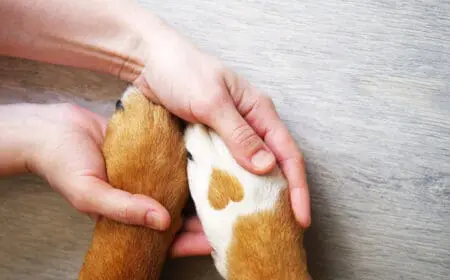
Introduction: Understanding Animals on Campus
In recent years, the presence of animals on college campuses has become a hot topic. While service animals like guide dogs have long been allowed, requests for Emotional Support Animals (ESAs) are growing. These animals are sought by students with mental health disabilities to help manage conditions such as anxiety, depression, and PTSD. However, their inclusion on campus is complicated by policies, laws, and a lack of clear definitions. This blog provides a comprehensive look at how these animals are treated under campus policies, helping both students and administrators navigate this increasingly common issue.
Key Differences Between Emotional Support Animals, Service Animals, and Pets
Emotional Support Animals (ESAs)
ESAs provide comfort and emotional support to individuals with mental health conditions but are not specifically trained to perform tasks. Unlike service animals, which are trained to assist with specific physical or psychiatric needs, ESAs alleviate symptoms through companionship, and their presence has a calming effect. ESAs may include dogs, cats, rabbits, and even more unusual pets like pigs or birds.
Service Animals
Service animals are specifically trained to assist with physical or psychiatric disabilities. For example, a guide dog helps a visually impaired individual navigate their environment. These animals are not only essential for helping with daily tasks but are legally allowed to accompany their owners in most public spaces, including classrooms, libraries, and cafeterias, as per the Americans with Disabilities Act (ADA).
Pets
Pets are animals kept for companionship or amusement but are not recognized as necessary for managing a disability. Most campuses have strict no-pet policies, and these animals are typically not allowed in student housing or other areas, unless specified under pet-friendly arrangements.
Legal Considerations for ESAs and Service Animals on Campus
The Americans with Disabilities Act (ADA)
The ADA defines service animals as dogs (and sometimes miniature horses) that are individually trained to perform tasks for a person with a disability. This includes aiding with psychiatric conditions, like panic attacks or PTSD. However, ESAs are not covered under the ADA; they are instead protected by the Fair Housing Act (FHA) and the Air Carrier Access Act (ACAA), which mandate that housing and air travel providers must make reasonable accommodations for them.
Fair Housing Act (FHA)
Under the FHA, postsecondary institutions must permit students with disabilities to live with their ESAs in campus housing, even if the institution has a no-pet policy. Schools cannot charge pet fees or apply the same restrictions that they apply to pets for service animals or ESAs.
FAQ Section: Addressing Common Questions on Animals in Campus Settings
1. Can Emotional Support Animals be allowed in campus classrooms?
ESAs are generally not permitted in classrooms or public spaces under the ADA, but they are allowed in student housing under the FHA. The legal distinction between service animals and ESAs is crucial here. Some students may request special accommodations to bring their ESA into classrooms, citing the Air Carrier Access Act, but schools are not legally obligated to grant these requests for non-classroom areas.
2. What documentation is required for an ESA on campus?
For an ESA to be allowed on campus, students must provide:
-
A letter from a healthcare provider explaining the disability and the need for the animal.
-
A description of the animal, including its name and whether it is housebroken.
3. Are all animals eligible to be ESAs?
No, while the most common ESAs are dogs and cats, students have requested animals such as guinea pigs, rabbits, and even pigs. However, the animal must provide therapeutic support, and its presence must mitigate specific disability symptoms.
4. Can schools deny ESA requests based on their breed or size?
Under the FHA, institutions cannot deny an ESA request based on the breed, size, or weight of the animal. The only valid reasons for refusal are if the animal poses a direct threat to the safety or health of others or causes significant property damage.
5. How do schools manage conflicts between ESAs and other students (e.g., allergies, fear of animals)?
When issues arise between students who request an ESA and those who may have allergies or phobias, schools must strive to provide reasonable accommodations for both. This may involve assigning the students to separate rooms or areas to prevent discomfort.
Steps for Campus Administrators to Effectively Manage Animal Accommodations
-
Create a Clear Policy
Institutions should develop clear policies distinguishing service animals, ESAs, and pets, with specific procedures for how to handle requests for accommodations. -
Be Mindful of Legal Requirements
Campuses must be familiar with the ADA, FHA, and ACAA to ensure they are complying with federal laws. ESAs must be treated as reasonable accommodations in student housing but not necessarily in other public areas. -
Request Only Necessary Documentation
Institutions can request documentation to verify the need for an ESA but should avoid overstepping by asking for too much personal or intrusive information about the student’s disability. -
Handle Disputes Thoughtfully
When conflicts arise (e.g., other students’ allergies), administrators should take a flexible, individualized approach to resolve the issue, considering different living spaces or accommodations as needed.
Conclusion: The Future of Animals on Campus
The inclusion of animals on college campuses, especially emotional support animals, will likely continue to grow. Universities must balance student wellbeing with practical concerns regarding animal care and safety. By understanding the distinctions between service animals, ESAs, and pets, administrators can make informed decisions and provide accommodations that enhance student success and support mental health.
As mental health needs rise among students, and as more colleges adopt pet-friendly policies, it’s essential for administrators to stay informed about the legal frameworks and best practices that ensure a safe, supportive, and inclusive campus environment for all.
Evolutionary Diversity of Bat Rabies Virus in São Paulo State, Brazil