
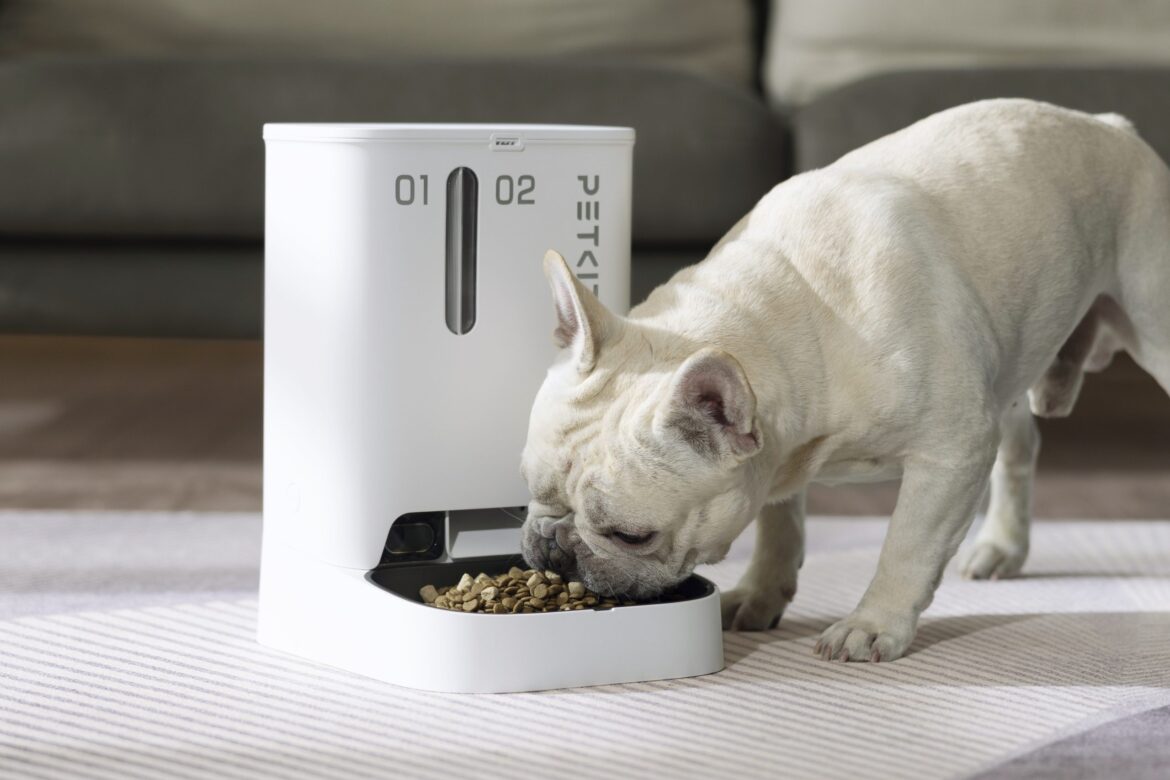
Introduction: Why Pet Food Matters More Than Ever
In today’s world, pets are not just animals—they’re family. As the number of pet dogs and cats continues to rise globally, so does the demand for high-quality, nutritious pet food. Pet owners now expect the same care and attention to detail in pet diets as they do in their own meals.
But how is pet food actually made? And what goes into creating those crunchy kibbles or soft, chewy treats your dog loves? Let’s walk through the process and see how innovation is shaping the future of pet nutrition.
🍖 Types of Pet Foods: Know the Basics
Before diving into the process, it’s important to understand the main types of pet food:
| Type | Moisture Content | Features |
|---|---|---|
| Dry (Kibbles) | 3–11% | Long shelf life, cost-effective |
| Semi-Moist | 25–35% | Soft texture, easier to chew |
| Moist | 60–87% | Often canned, rich flavor, short shelf life |
There’s also a rise in:
- Treats and Chews (used for rewards or training)
- Functional Foods (target health concerns like digestion or joints)
- Therapeutic Diets (for pets with specific medical needs)
🏭 How Pet Food is Made: A Step-by-Step Guide
Here’s how most dry dog food (kibble) and pet treats are produced today:
1. Ingredient Selection
- Proteins: Chicken meal, beef, fish, or soy
- Carbohydrates: Corn, rice, oats, wheat
- Fats: Poultry fat, vegetable oil
- Vitamins & Minerals: Tailored to pets’ life stages
- Functional Add-ons: Probiotics, prebiotics, joint support (like glucosamine)
Pet food formulas are designed by veterinarians and animal nutritionists to meet specific health needs.
2. Grinding & Mixing
All ingredients are ground into a fine meal and mixed to ensure even distribution of nutrients.
- Dry ingredients are blended.
- Liquids like fats, oils, or water are added to help bind and cook the mixture.
3. Cooking (Extrusion)
This is the heart of kibble production.
- The mixture is pushed through an extruder, where it’s cooked under high heat and pressure.
- It then exits through shaped holes (like pasta dough), forming small, uniform pieces.
- These pieces are cut, cooled, and dried.
Fun fact: This step determines the shape of your kibble—round, triangular, bone-shaped!
4. Coating
Once dried, kibbles are coated with:
- Flavor enhancers (to make them tastier)
- Essential fats or probiotics (for nutrition and health benefits)
Some kibbles are “double-coated” with a soft outer layer for extra flavor or functionality (e.g., dental health).
5. Packaging
The final product is packed in moisture-proof bags or pouches to keep it fresh until it reaches your pet’s bowl.
🍬 How Pet Treats & Biscuits are Made
Pet treats have become a booming industry—here’s how they’re made differently:
Treats
- Start with a dough of grains, proteins, and functional ingredients.
- Shaped by molds or extruders.
- Baked or dried at low temperatures.
- Coated with tasty layers (like liver powder, cheese flavors).
Biscuits
- Some biscuits now include probiotics (Lactobacillus plantarum) and prebiotics (like inulin) to help with digestion.
- Coated in protein-rich glazes (using meat or plant extracts).
- Textured surfaces help clean teeth.
🚀 Pet Food Trends: What’s New and What’s Next?
🌱 1. Natural and Organic Ingredients
People want clean-label pet foods—free from artificial flavors, preservatives, or fillers.
💊 2. Functional Foods
Foods that support:
- Joint health (with glucosamine)
- Skin & coat (with omega-3s)
- Gut health (with probiotics and fiber)
🍗 3. Alternative Proteins
- Insects (like crickets)
- Plant-based proteins
- By-products used efficiently (e.g., poultry organs, which are nutritious and sustainable)
🌎 4. Sustainability
Manufacturers are reducing carbon footprints by:
- Using recycled packaging
- Sourcing local or sustainable ingredients
- Innovating with low-water recipes
🤖 5. Tech-Enabled Nutrition
- Using AI & big data to design pet foods tailored to individual dogs
- Future: subscription pet foods customized by DNA testing and health tracking!
🇮🇳 The Indian Pet Food Boom
India is one of the fastest-growing pet food markets, thanks to:
- More pet ownership in urban areas
- Shift from homemade to packaged diets
- Local manufacturing boosted by regulations and demand
However, there’s still a need to:
- Ensure quality and safety
- Cater to regional preferences (e.g., vegetarian diets)
- Educate pet owners on pet nutrition
⚠️ Challenges in Pet Food Industry
- Food Safety & Regulation
- Must meet strict global standards
- Quality checks from ingredient sourcing to final packaging
- Counterfeit Products
- Educating consumers and strengthening laws
- Cultural Preferences
- Need for region-specific flavors or vegetarian options
- Affordability
- Balance between premium quality and cost-effective products
🎯 Conclusion: What This Means for Pet Owners
We’re living in a golden era of pet nutrition. Whether it’s a crunchy kibble, a meaty chew, or a functional biscuit, today’s pet food is scientifically formulated and constantly improving. As technology, sustainability, and innovation advance, your pet’s bowl is becoming healthier, safer, and more personalized than ever.
So next time you pour kibble or hand out a treat, know there’s a world of research, engineering, and love behind every bite.