
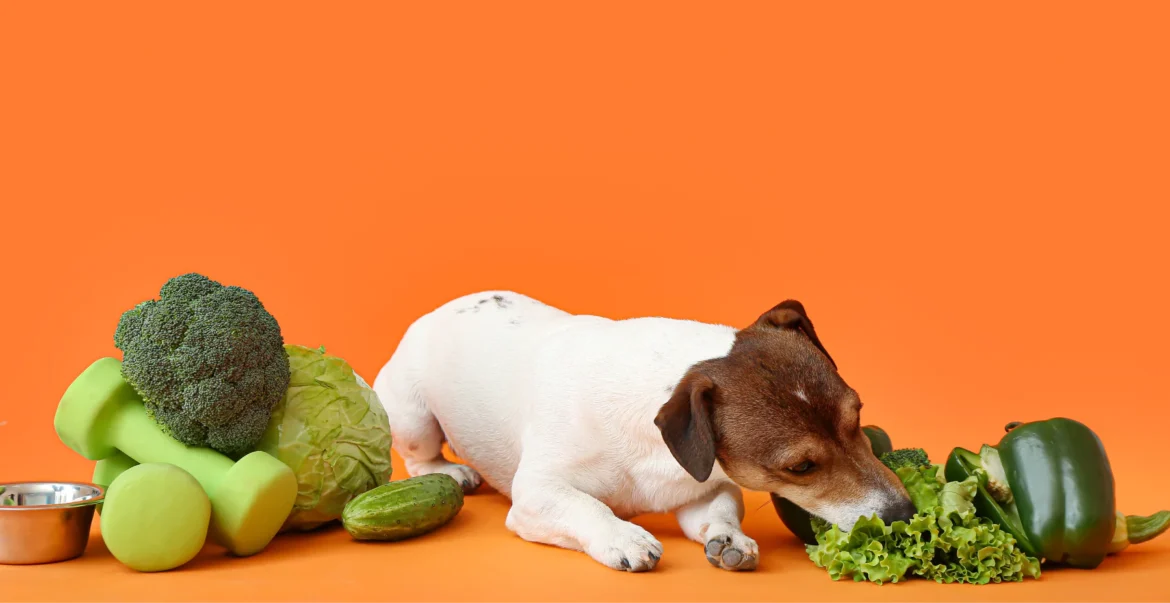
What Are Unconventional Pet Diets?
Unconventional pet diets include any food choices outside of typical commercial diets used for dogs and cats. These range from home-prepared foods, natural/organic options, vegetarian diets, vegan diets, and raw food regimens. Growing interest in alternative diets reflects deeper concerns about ingredient wholesomeness, pet health, personal ethics, and animal welfare.
Why Do Owners Choose Alternative Diets?
-
Concerns about artificial additives, byproducts, and contaminants in commercial food.
-
Desire for closer bonding and inclusion of pets in family rituals.
-
Pursuit of ethical, religious, or health-motivated dietary practices.
-
Belief in enhanced health outcomes or control over pet well-being.
-
Managing pets with chronic illnesses or special dietary needs.
Types of Unconventional Diets and Practical Considerations
Home-Prepared Diets
-
Appeal: Owners seek control over ingredient quality and preparation.
-
Risks: Most home recipes analyzed by vets are nutritionally inadequate for long-term feeding, lacking minerals, proteins, vitamins, or amino acids—especially for kittens and puppies.
-
Solution: Always consult with a veterinary nutritionist for balanced recipes; strictly follow ingredient lists and preparation guidelines.
-
Monitoring: Regular follow-ups with vets are necessary, especially for growing animals.
Natural, Organic, and Human-Grade Diets
-
Natural: Defined as derived from plant, animal, or mined sources—free of artificial additives.
-
Organic: Must meet USDA standards, but pet food labeling is not strictly regulated.
-
Human-grade: No clear regulatory definition; manufacturers may interpret flexibly.
-
Advice: Review best-used-by dates for product freshness, and seek products with quality assurance and feeding trials.
Vegetarian and Vegan Diets
-
Motivation: Often reflects owners’ own ethical or health beliefs.
-
Safety: Most vegetarian and vegan recipes and products for pets are not nutritionally adequate, especially for cats, which require taurine, vitamin A, cobalamin, and arachidonic acid.
-
Practicality: Dogs can sometimes be fed vegetarian diets validated by feeding trials. Cats require specialized supplements if a plant-based diet is pursued—consult professionals and plan for close monitoring and follow-up blood tests.
Raw Food Diets
-
Reasoning: Some owners believe raw diets are more natural for carnivorous pets.
-
Risks: High risk of nutritional imbalances; frequent contamination with Salmonella, E. coli, and protozoa; risk of infection affecting both pets and humans in the household.
-
Recommendation: If insisting on raw diets, work with vets to maximize hygiene, ensure nutritional adequacy, and fully understand the health risks involved; consider cooking food as a safer alternative.
How to Communicate About Pet Nutrition
-
Take a thorough dietary history of the pet before advising dietary changes.
-
Understand owner beliefs, motivations, and cultural backgrounds.
-
Tailor recommendations, provide follow-up resources, and maintain empathetic dialogue to build trust and compliance.
-
Use negotiation strategies for dietary management, keeping owner priorities and lifestyle in mind.
Everyday Tips for Pet Owners Considering Alternative Diets
-
Seek professional advice before switching diets, especially for young, pregnant, or sick pets.
-
Be wary of recipes found online or from nonprofessional sources; many are not balanced for long-term health.
-
Always monitor pets for signs of nutrient deficiency or excess—hair loss, skin issues, digestive problems, and lethargy.
-
Understand that changes in diet may represent deeper personal beliefs—work with professionals to find acceptable, safe compromises for your pet’s specific needs.
What risks are there in home-prepared pet diets?
Home-prepared diets often lack essential nutrients, especially if substitutions are made or ingredient quality varies. Deficiencies are most likely in minerals, vitamins, and amino acids (like taurine for cats), and are especially risky for growing, gestating, or lactating animals.
Is “human-grade” pet food safer for my pet?
Human-grade labeling is not regulated for pet food; manufacturers interpret the term differently. Quality control and assurance through feeding trials is more important than ingredient visibility alone.
Can I feed my cat a vegetarian or vegan diet?
Cats require several nutrients found only in animal products, such as taurine and arachidonic acid. Most commercial and homemade vegetarian or vegan diets aren’t nutritionally adequate for cats. If you wish to pursue this, consult a veterinary nutritionist and plan regular health monitoring for your cat.
Are raw food diets healthy for dogs and cats?
Raw food diets are frequently contaminated with bacteria and parasites, and often nutritionally imbalanced. The health risks to both animals and household members are well documented. Cooked diets are a safer alternative if home preparation is desired.
How can I safely transition my pet to an alternative diet?
Consult a veterinarian first, obtain a professionally formulated recipe or product from a validated manufacturer, strictly follow instructions, and monitor your pet’s health. Increase vet check-ups during transition periods.
What signs indicate my pet isn’t getting a balanced diet?
Look out for dull coat, skin problems, weight loss/gain, vomiting, diarrhea, and changes in energy. These can all signal deficiencies or excesses—contact your vet promptly if symptoms appear.
Key Takeaways
-
Unconventional pet diets are becoming more popular, but present real nutritional and safety risks if not professionally managed.
-
Always work closely with veterinary experts when considering alternative diets for your pets, especially those with special needs or at sensitive life stages.
-
Trust and communication between pet owner and veterinary professional are essential for the health and happiness of your pet.